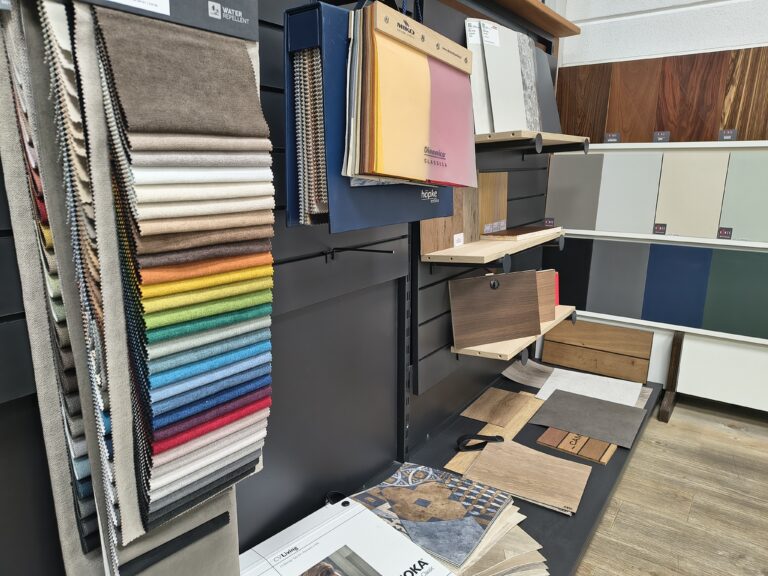
Step 01
Advice and configuration
With us, every vehicle begins with listening. We give open advice, show possibilities and limits, and remain your dedicated contact from the first design to well beyond delivery.


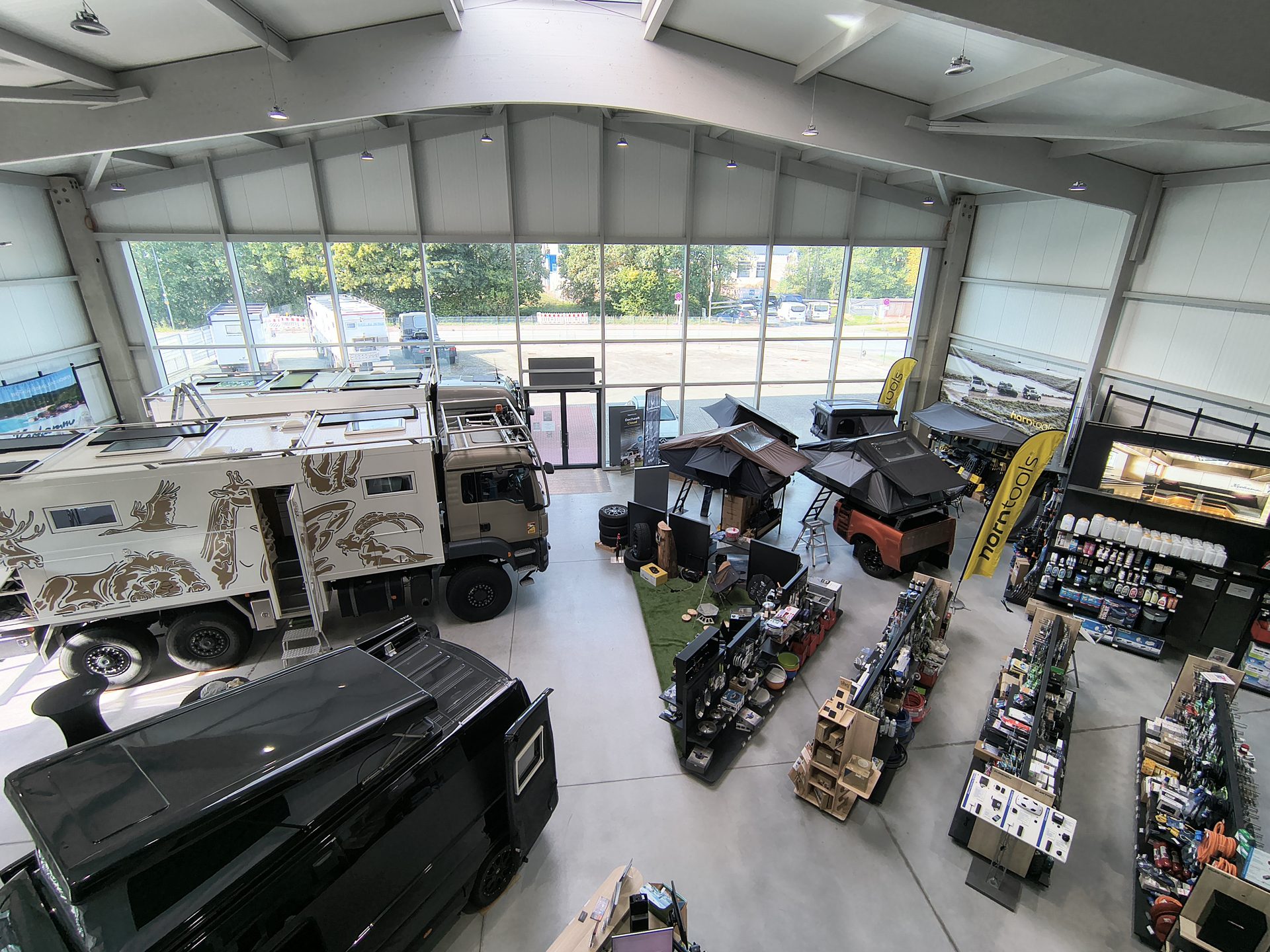
How your expedition vehicle comes about – and why we build it exactly this way.
An expedition vehicle is not an off-the-shelf product. Before we talk about floor plans, we want to understand how you travel: where, for how long, with whom and in what conditions. Only then does it become clear which vehicle really suits you.
We first plan every living cabin completely in 3D. This makes your ideas tangible as early as the consultation: we try out variants, show proportions and coordinate materials and colours. You see not only what is possible, but also why some ideas work less well in practice. At the same time, the model is the reliable basis for our production, so that in the end exactly what we planned together is built.
We don't just take over the base vehicle, we make it ready for travel. The overview shows what we build on the chassis and around the vehicle. Each number leads to a detail photo with an explanation.

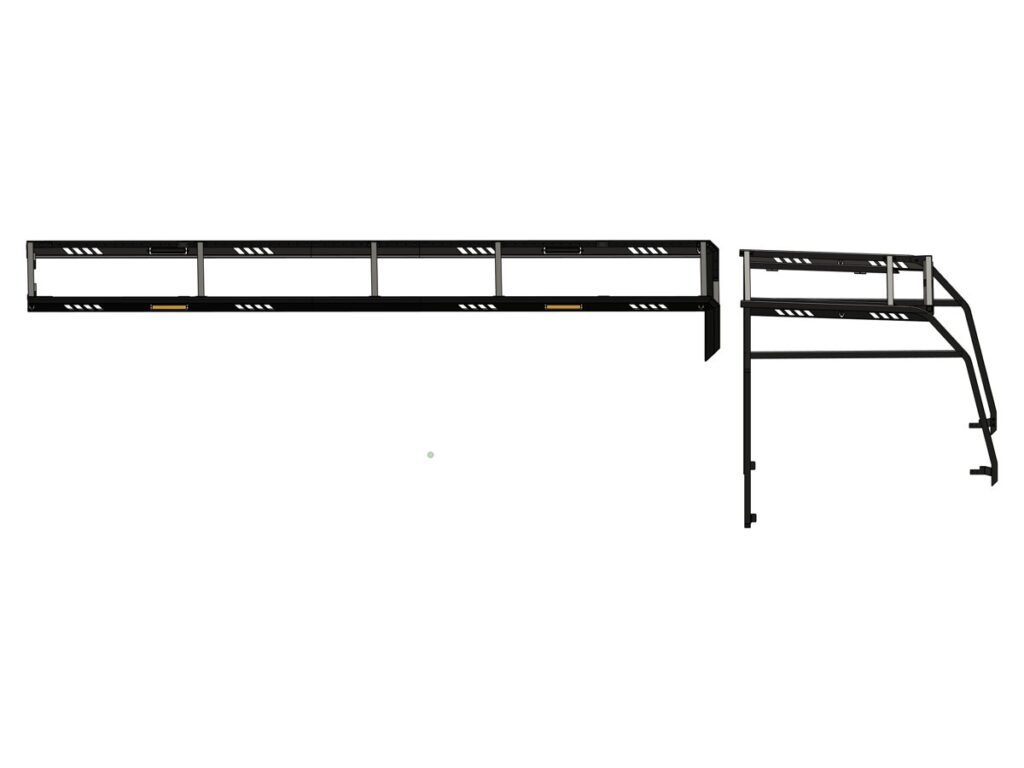
Protection for your living cabin and the cab. Off-road or on narrow roads, a branch can quickly get in the way – this way it simply glances off. For us, a must on any real world-travel vehicle.
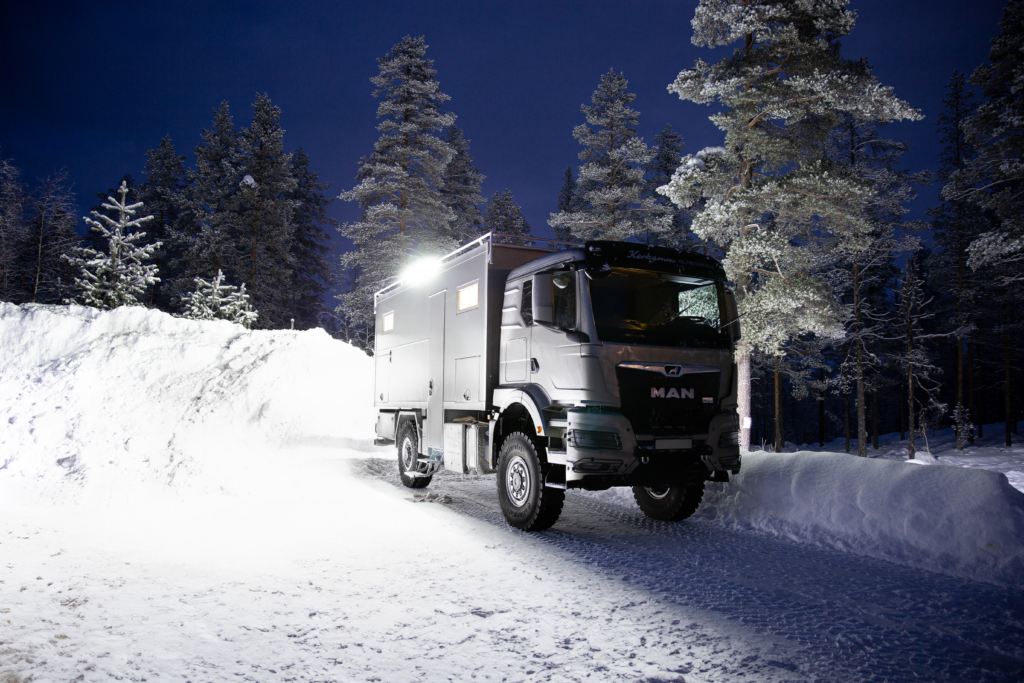
Bright as day at the touch of a remote: the ambient lighting illuminates the entire area around the vehicle – when manoeuvring, when working in the dark and for added safety.
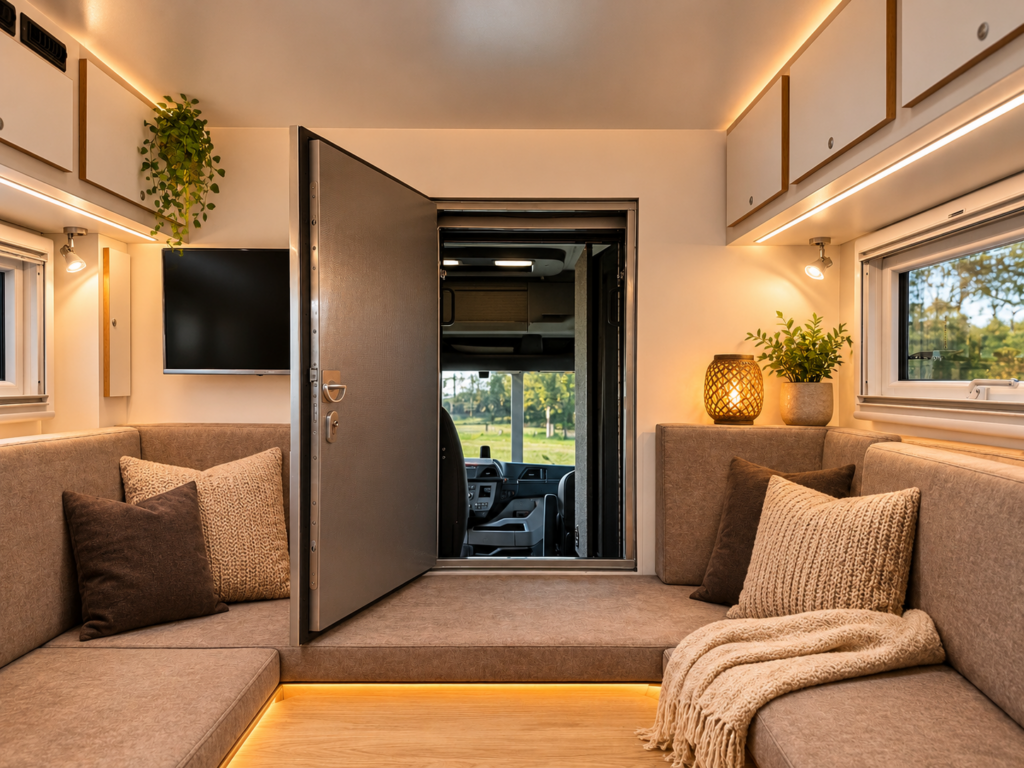
From the cab straight into the cabin without getting out. In bad weather or danger, you simply drive off. The bellows absorb the movement between cab and cabin.
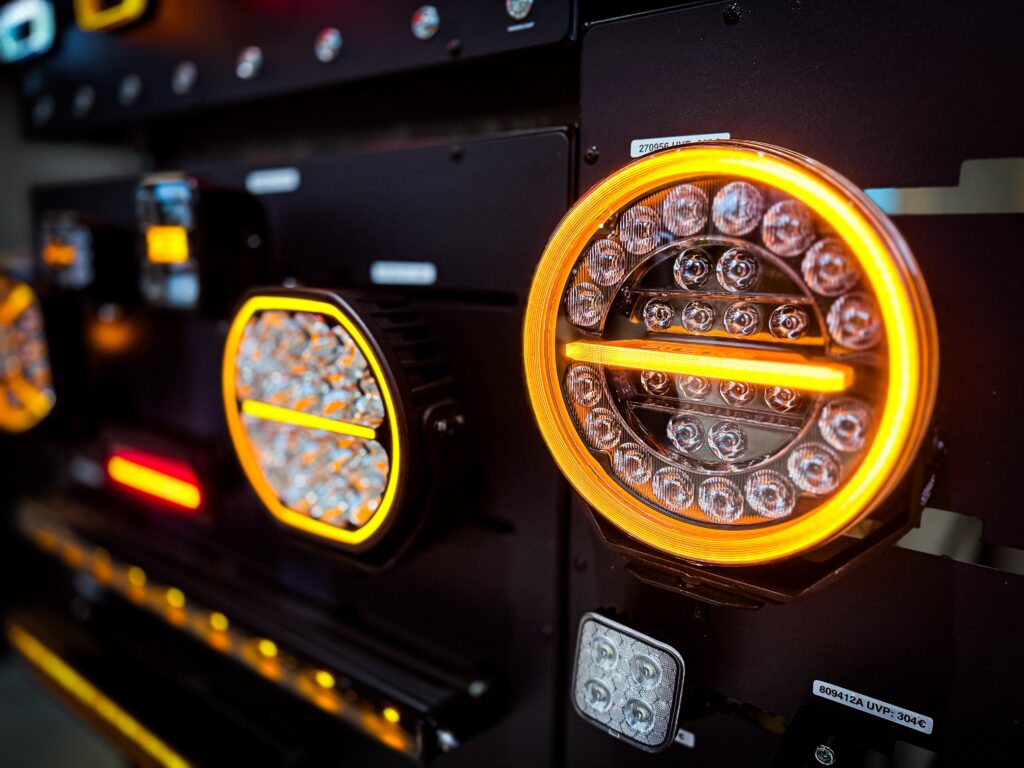
Driving lights and light bars for night driving on unlit tracks, properly integrated into the vehicle electrics and approved.
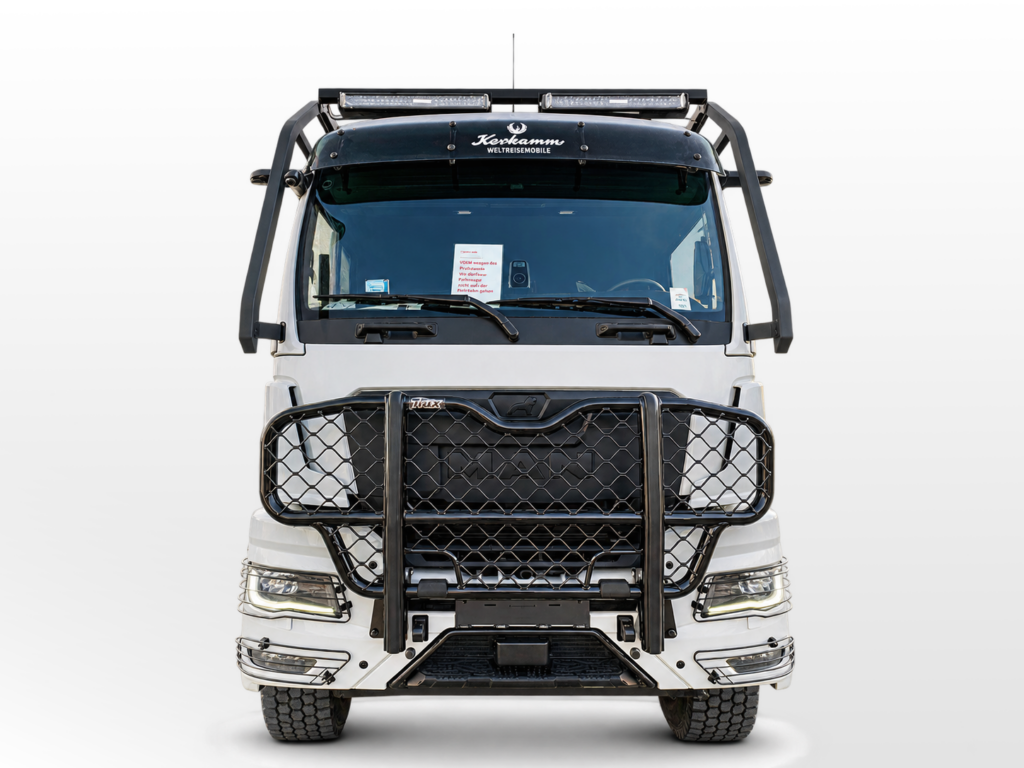
Protects the radiator, headlights and cab and takes additional lights on request.
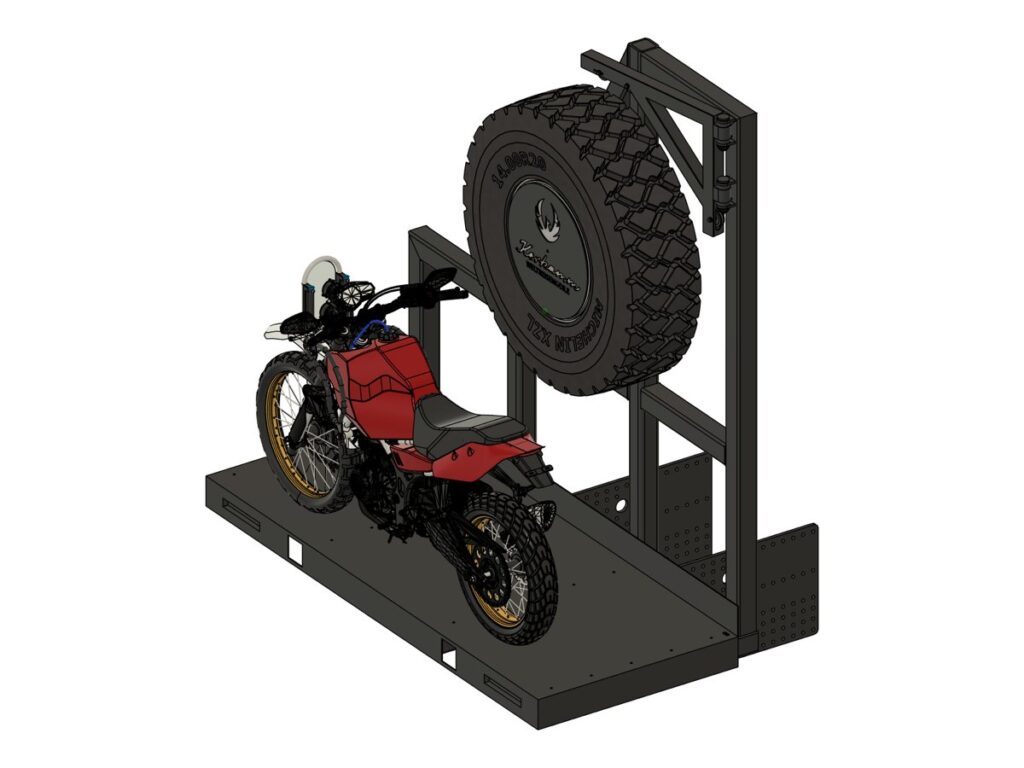
Spare wheel lift, motorcycle and bicycle carriers, stainless steel boxes: at the rear we stow what has no room inside. Every carrier is designed for the vehicle and checked for weight and axle load. View all systems
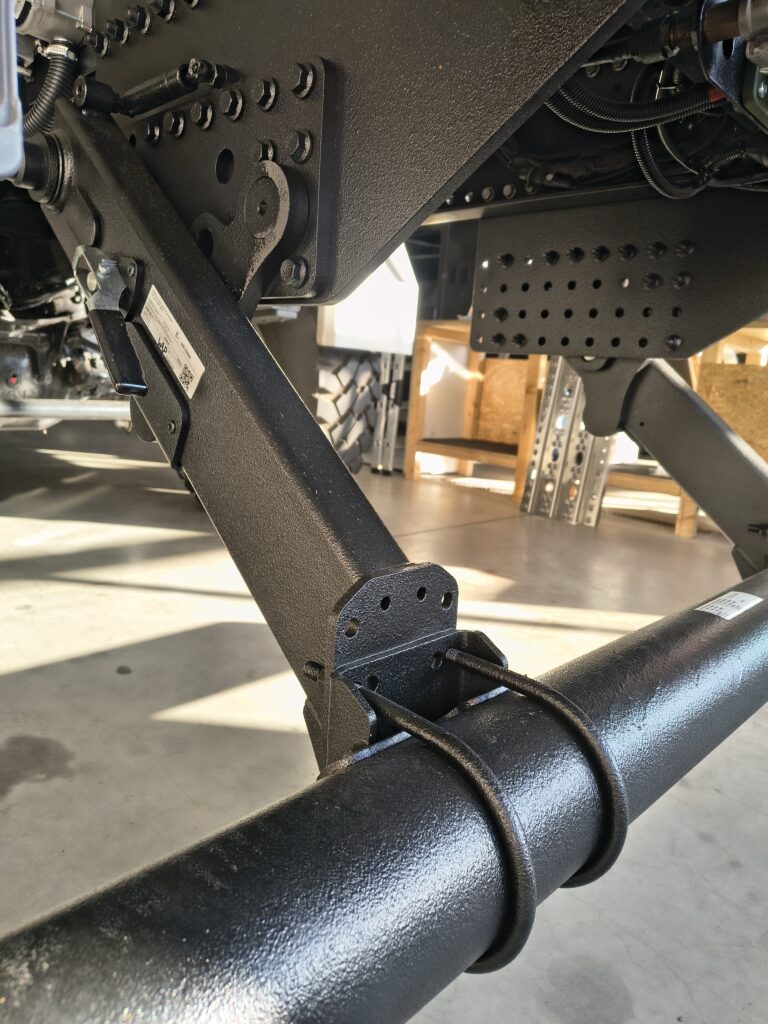
Folding underrun protection for a maximum departure angle off-road. Unlocked and folded up quickly and easily in two simple moves.
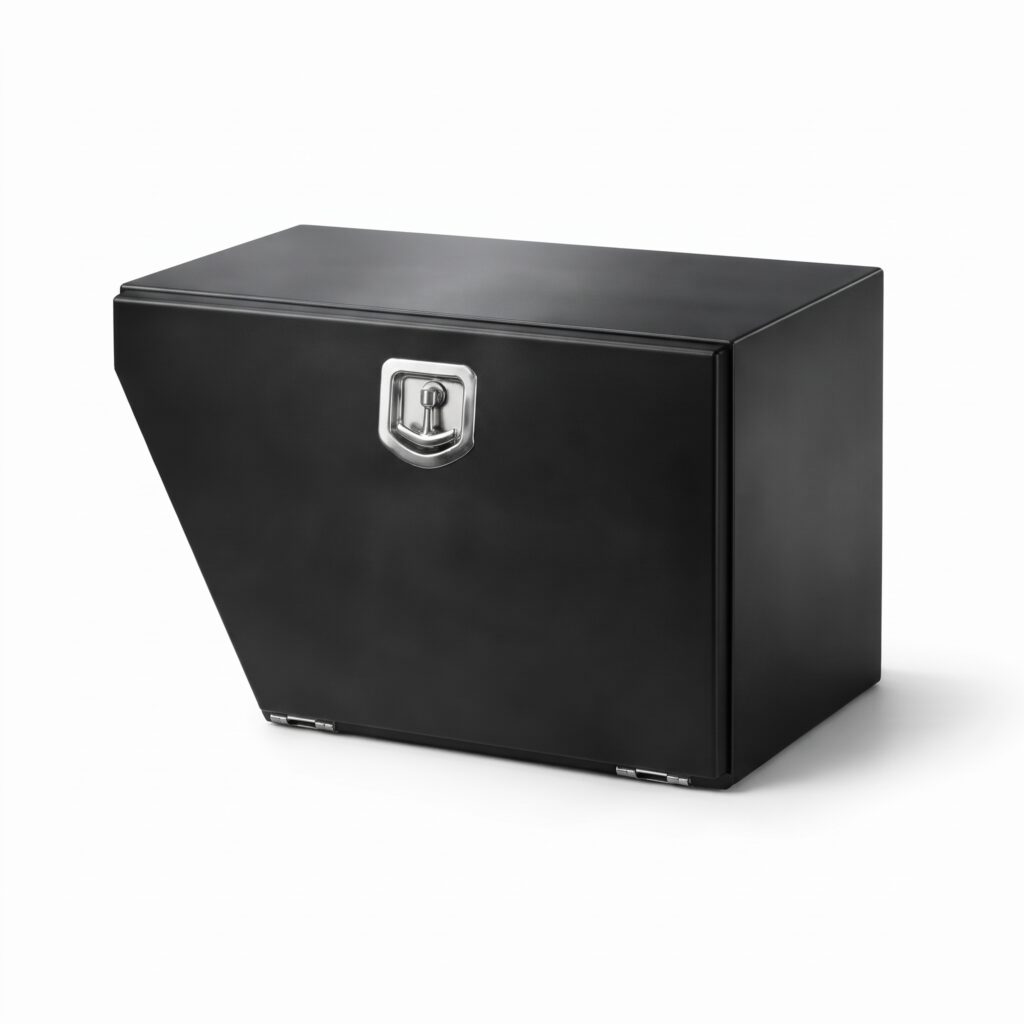
Robust stainless steel storage boxes along the chassis provide extra space for everything that can stay outside: accessories, tools, snow chains or recovery equipment. Firmly locked and well protected from water and dirt, with an integrated outdoor kitchen on request.
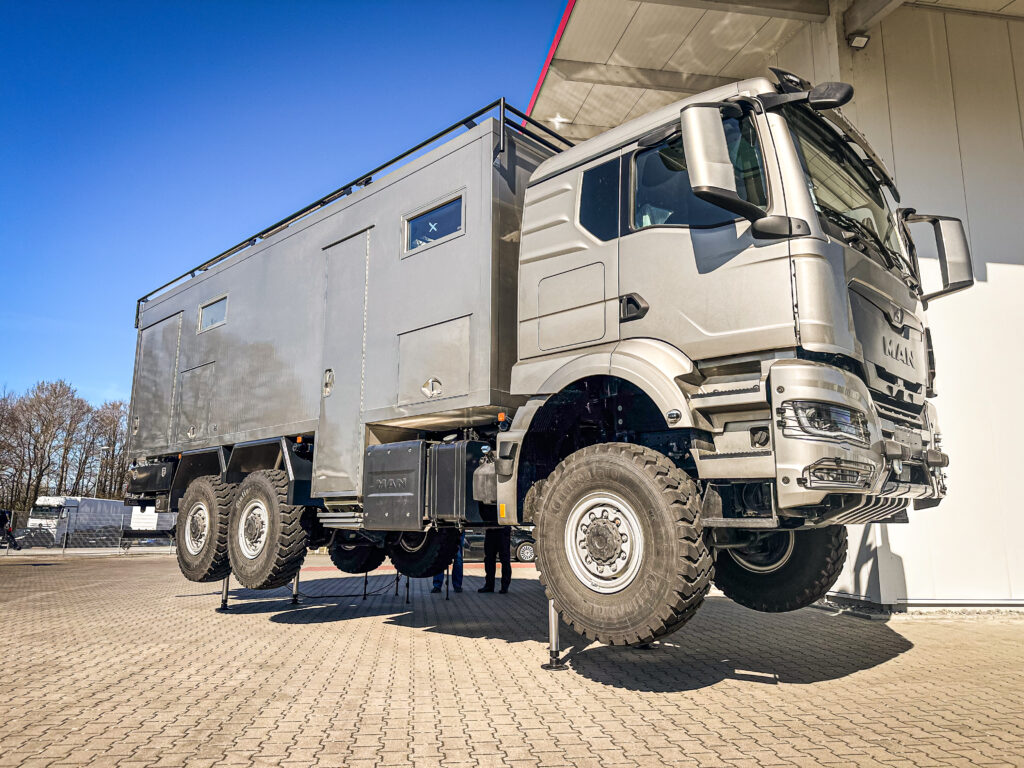
Hydraulic jacks level the vehicle and lift it for a wheel change. More about levelling jacks
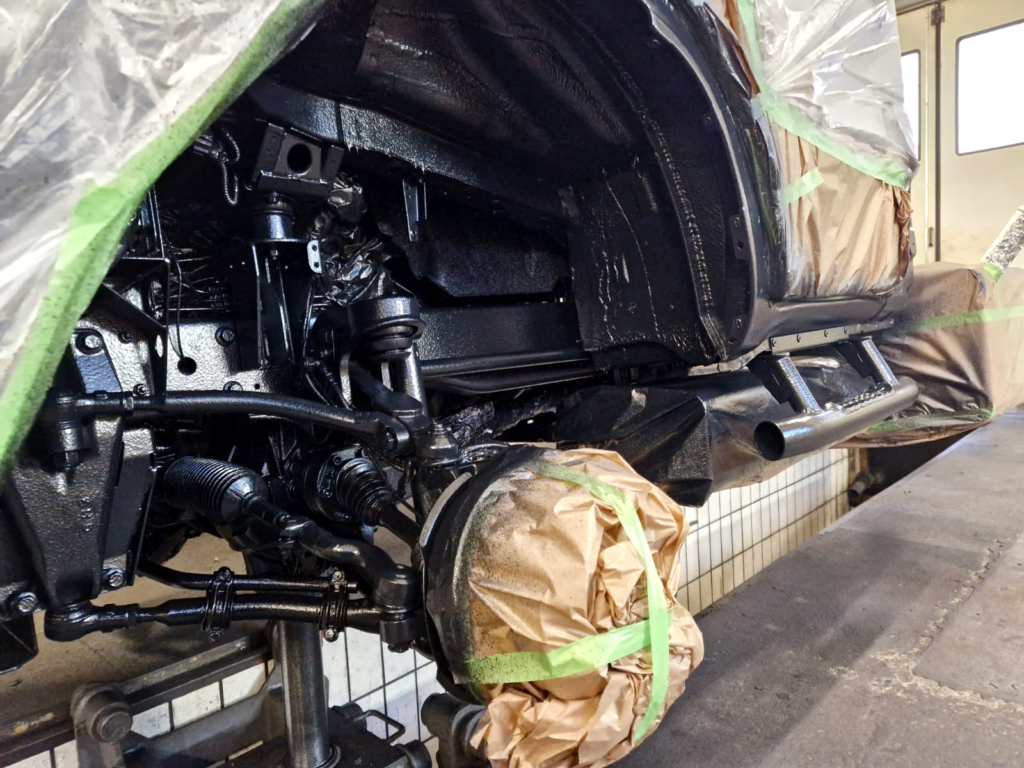
The frame and add-on parts are cleaned and permanently sealed before the body goes on. This protects against rust from salt, mud and stone chips.
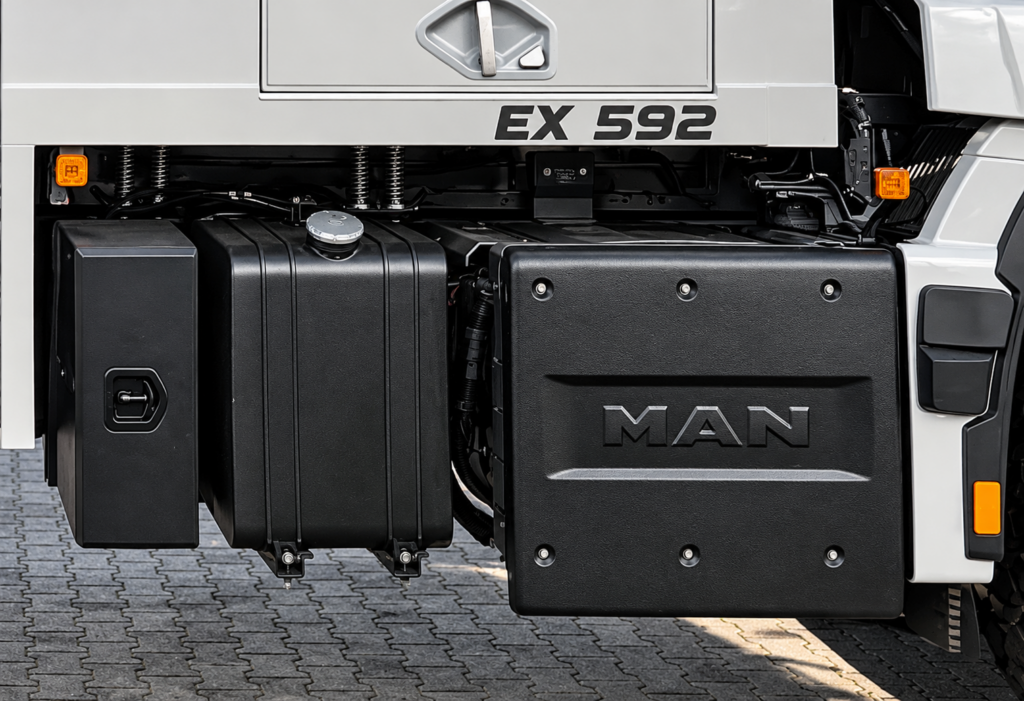
More range, more independence: with a second diesel tank, you fill up where price and quality are right and always have a reserve on board in remote regions.
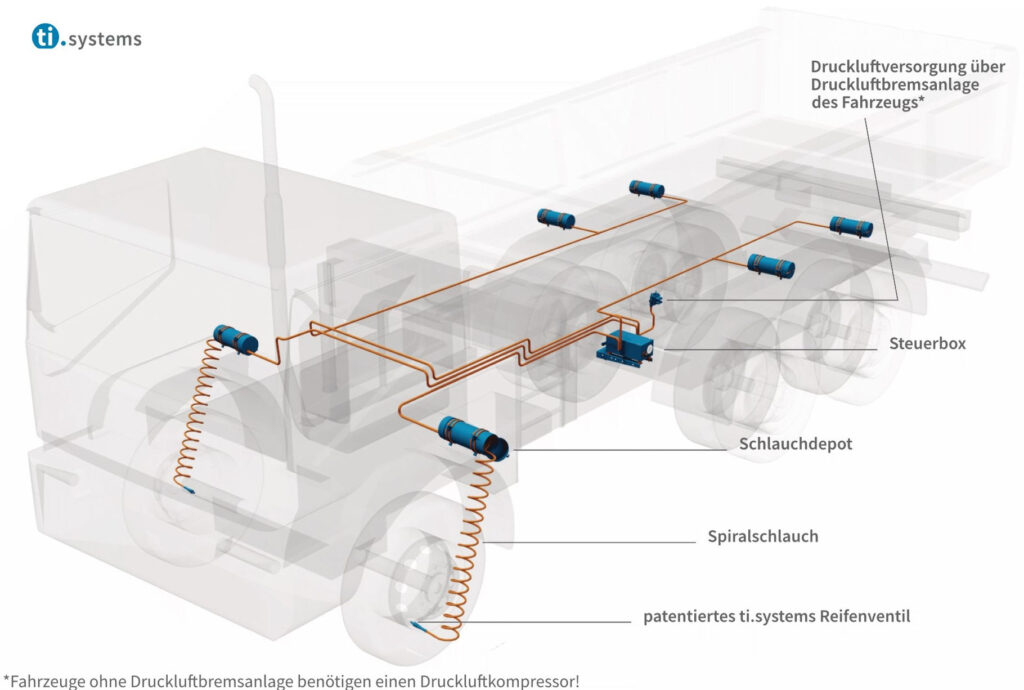
Low pressure in the sand, full pressure again on tarmac – conveniently via quick couplings and a hose station per axle.
Proven technology from ti.systems.
We rely consistently on GRP sandwich cabins: no wood that can rot, no metal that rusts, and a construction that can also be repaired on the road. Each number leads to a detail photo with an explanation.
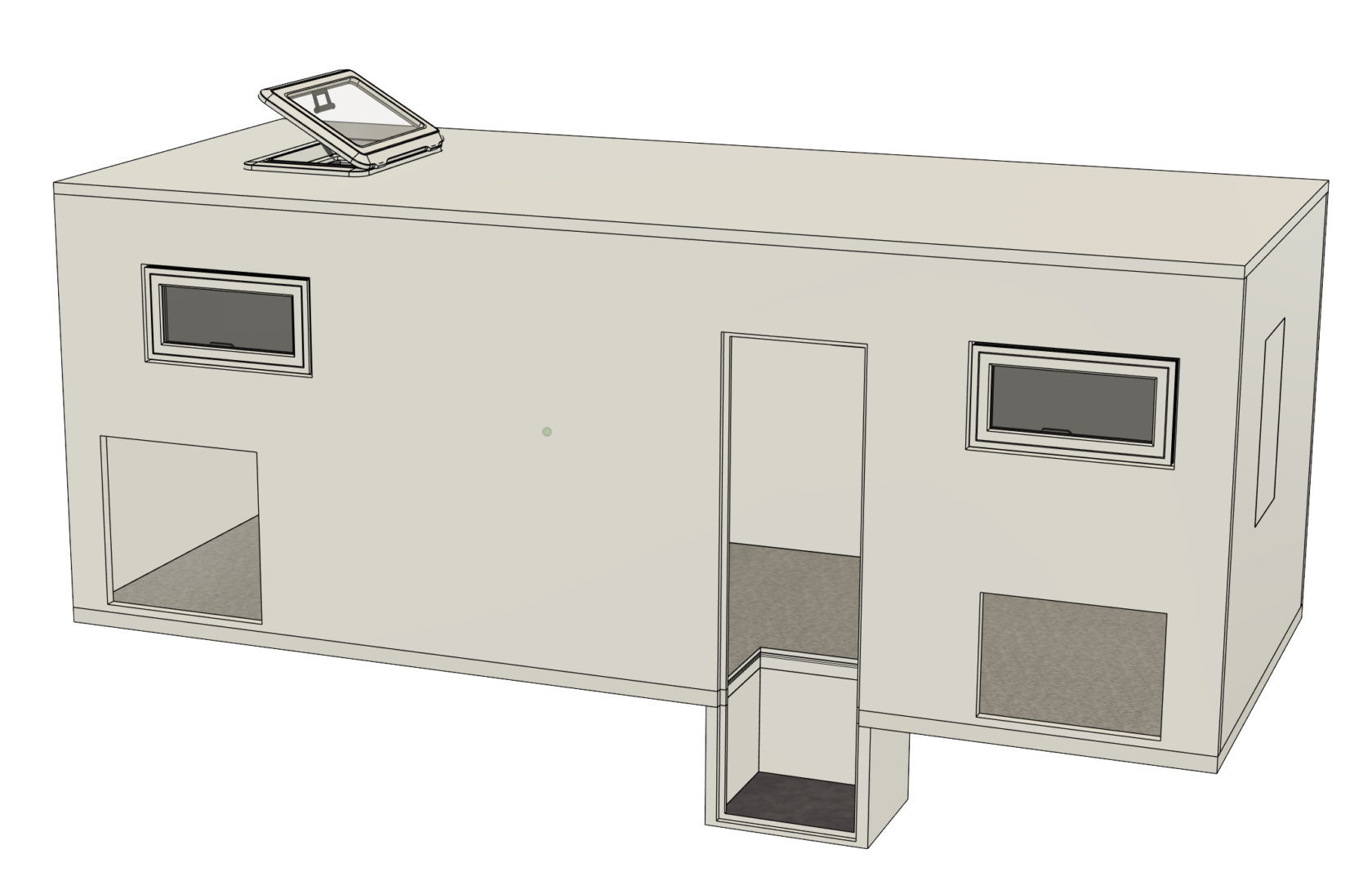
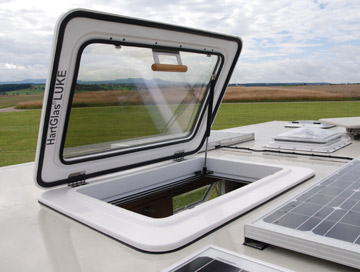
Burglar-resistant roof hatches from KCT or Outbound bring light and air into the cabin, even in the rain in ventilation mode.
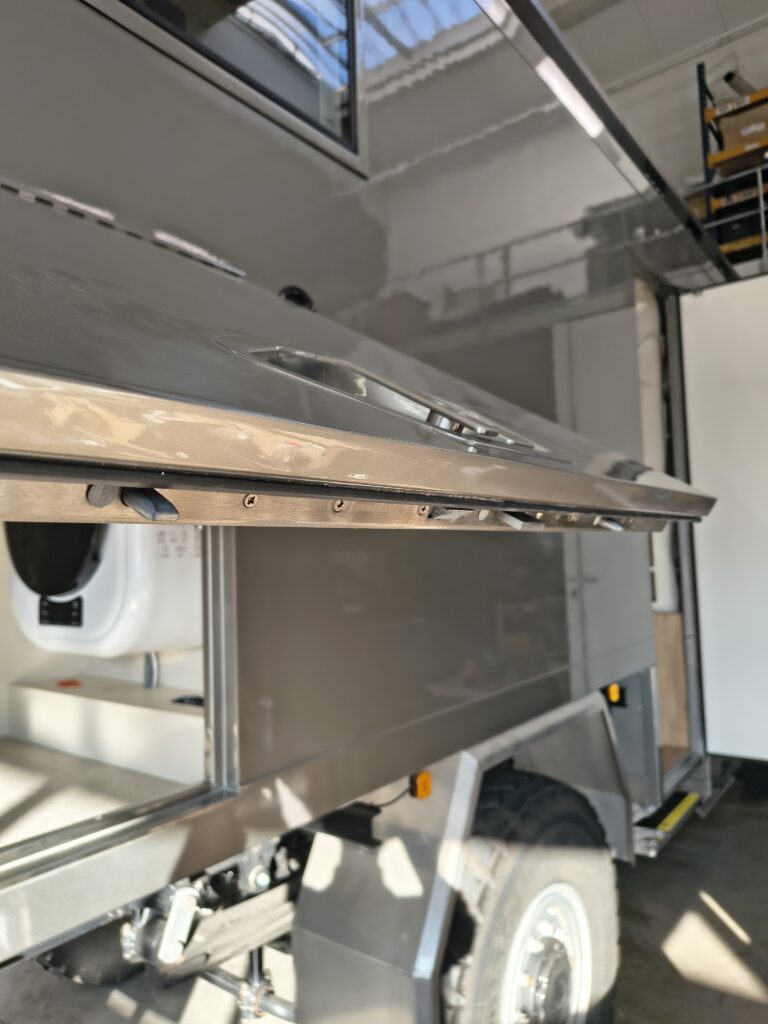
Large flaps for storage that can be reached from outside: chairs, tools, recovery gear.
Protected by burglar-resistant, multi-point locking mechanisms.
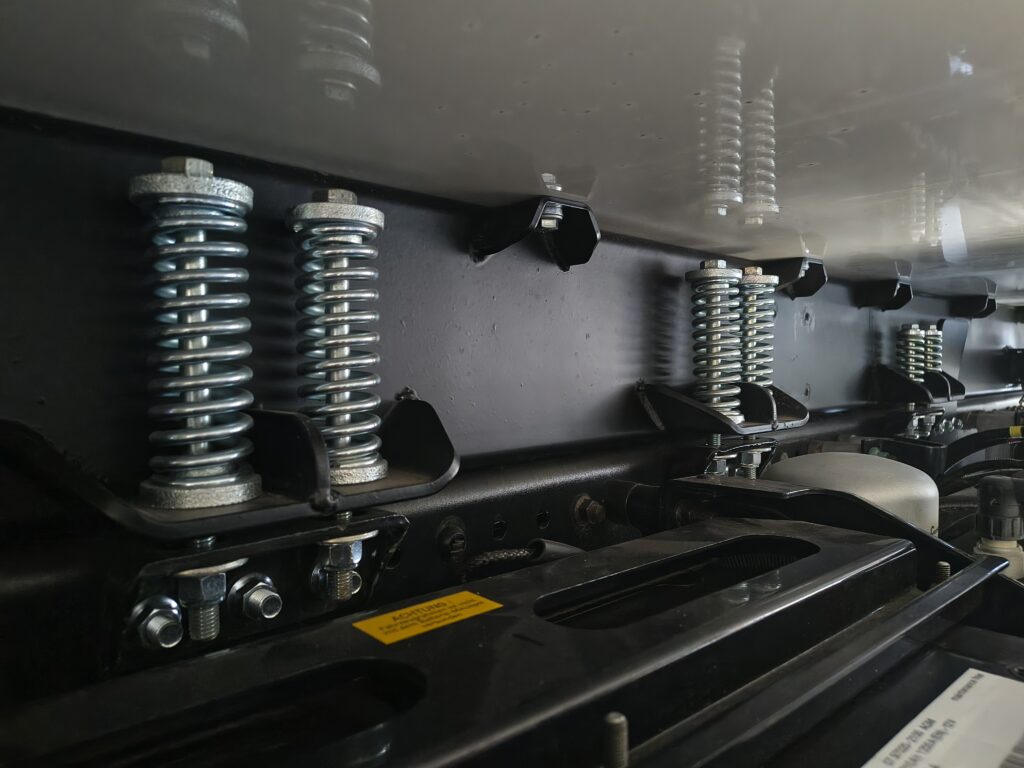
Our cabin mounting combines enough flexibility for off-road use with the rigidity needed for safe driving on road and track. Deliberately no diamond or three-point mounting: the body stays calm and stable, yet there are still reserves for demanding terrain.
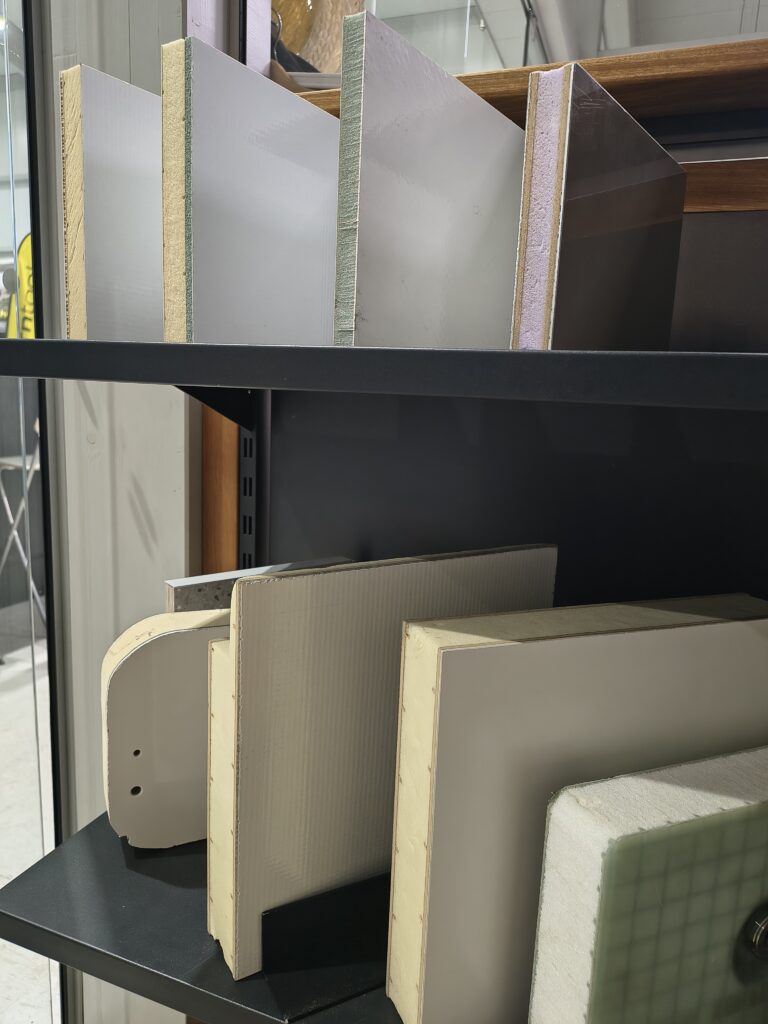
GRP sandwich, free of thermal bridges and superbly insulated with a wall thickness of 53 to 60 mm. Thanks to the screw layer inside and out, furniture and add-on parts are screwed rather than glued: permanently secure and changeable at any time. And if something does happen: GRP can be repaired.
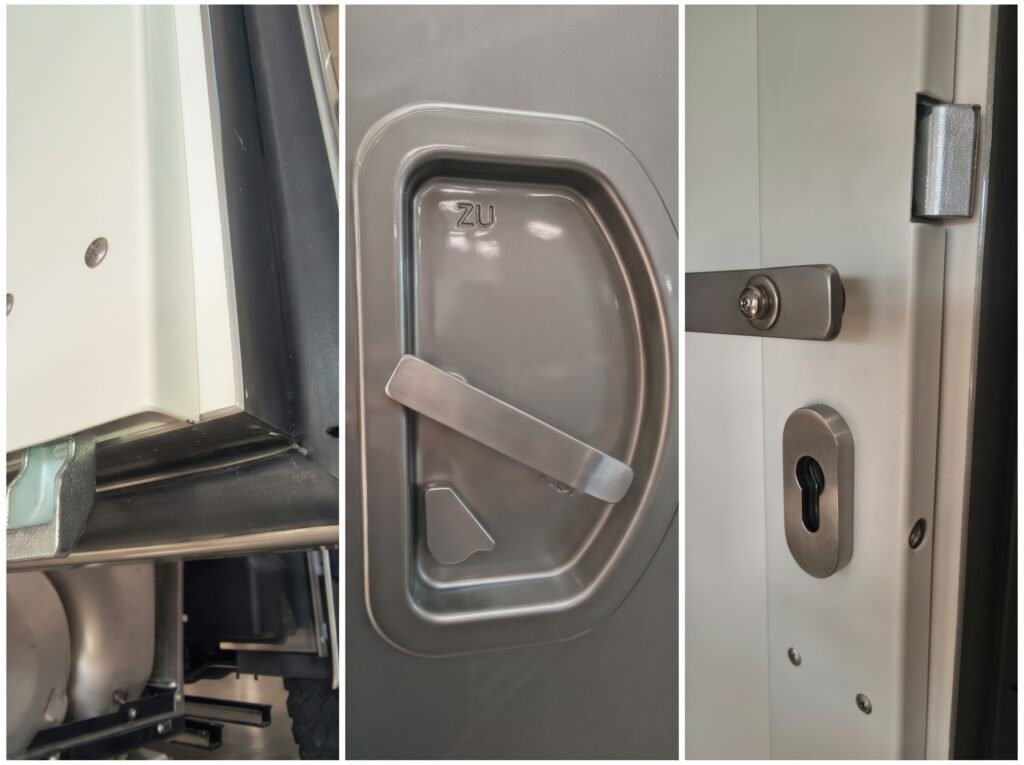
Stainless steel hinges and multi-point locking, secure and burglar-resistant.
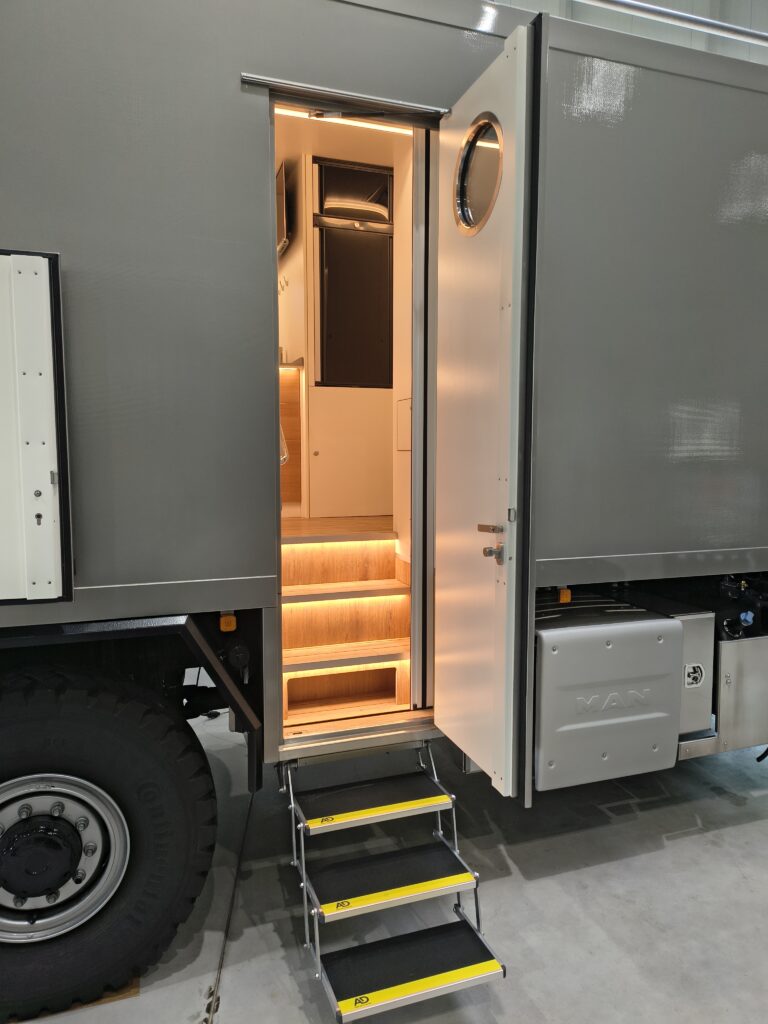
The lowered entrance does away with pull-out ladders and is simply comfortable. Getting in and out becomes safer, even with luggage and after a long day.
The living cabin has a fixed door to the passage to the cab.
In addition, a flap in the cab dampens driving noise and provides extra insulation.
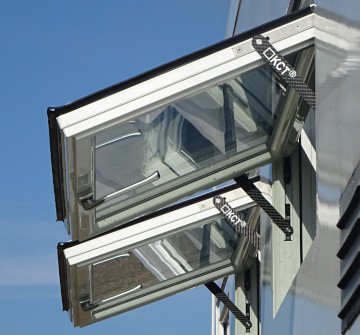
Burglar-resistant KCT-HartGlas® windows with blackout blinds and insect screens, fitted flush into the wall.
Alternatively, and when weight matters, we also choose products from Outbound.
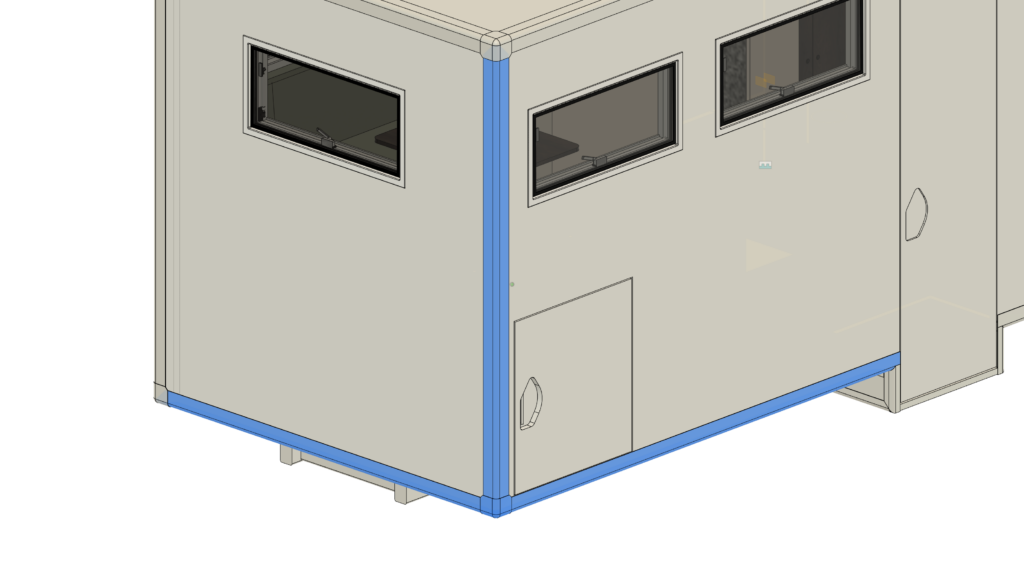
All-round profiles protect the edges of the cabin and seal them permanently. They also provide additional protection against external impacts.
The full construction for long journeys and extreme climate zones. Thicker walls keep out frost and heat alike, and the cabin also carries heavy fit-outs and add-ons. We deliberately build with GRP rather than aluminium: damage can be professionally repaired at any time, which is much more complex with aluminium cabins.
The lighter construction for vehicles where every kilo counts, especially alcove vehicles. The same quality and the same requirements as Standard, but with targeted weight savings: through the design, different foams and a screw layer only where screws are actually used. Large alcoves bring their own requirements: their weight and leverage must be transferred safely into the walls. For this we have a well-thought-out structural solution that stays stable and still keeps weight down.
Furniture in an expedition vehicle is stressed quite differently from at home: vibration, twisting, temperature jumps. That is why we plan and build every piece of furniture in our own joinery and design every joint for it.
Above all, technology in an expedition vehicle has to work on the road, far from any workshop. That is why we rely on proven systems from renowned manufacturers, with redundancy where it makes sense, and install them so that they remain easily accessible for maintenance and repair. Technical gimmicks and overcomplicated solutions are not what we aim for. When in doubt, we choose the simple, robust solution that can be understood and repaired anywhere in the world.
The following chapters show what this looks like in detail.
On long journeys, water is one of the most important resources. We make our tanks to measure from 10 mm thick plastic panels rather than using thin standard tanks. They sit frost-protected in the heated interior, firmly integrated into the furniture. Multi-stage filters before and after the tank ensure good water quality, with components from premium manufacturers such as WM Aquatec, Goodguards and the Helion reactor.
Depending on the floor plan, 200 to 800 litres are possible. With a dry separating toilet, there is no need for black water and flushing water tanks, and the space goes into even more fresh water. Winter has been thought of too: the entire system can be drained completely and conveniently.
As a starting point, we rely on proven Truma air heaters. If you want more comfort, choose hydronic heating from Wallas or Timberline with Alde convectors, with underfloor heating on request. We often install a second, independent heater, for example from Autoterm, so that it stays warm even if one system fails. And we direct warm air specifically behind seat cushions and under mattresses: this keeps these areas dry and free of moisture.
We still offer gas heating. However, more and more customers are choosing a completely gas-free vehicle with diesel heating. Thanks to altitude kits, diesel heaters now work reliably even where previously only gas was an option.
We build our energy installations as complete systems from Mastervolt or Victron. We deliberately stick to one manufacturer so that all components work together reliably. High-quality lithium batteries, a second alternator and plenty of solar power on the roof make the vehicle largely independent of the mains, even fully electric with induction, oven and washing machine.
Several layers of protection prevent the batteries from suddenly shutting down or falling into deep sleep. Should a battery ever shut down, a power connection is enough and it comes back on its own.
This is how your vehicle comes about in our workshop in Elmshorn. Browse through the build step by step or show all steps at a glance.
With us, every vehicle begins with listening. We give open advice, show possibilities and limits, and remain your dedicated contact from the first design to well beyond delivery.
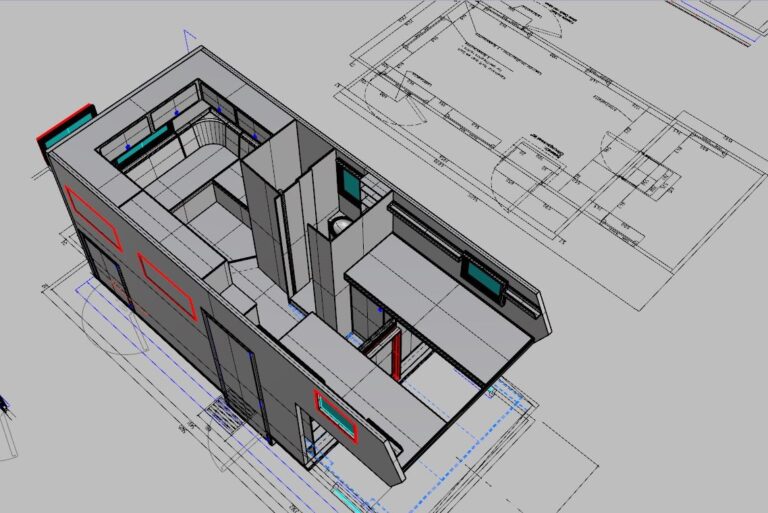
Every project starts with one of our proven floor plans. We design your wishes into the vehicle in 3D, adapt details and make the result visible before anything is built.
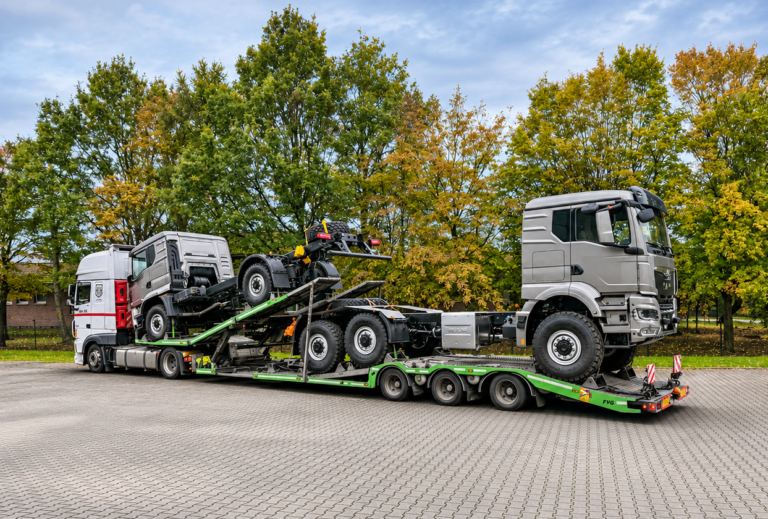
We order the right base vehicle from the manufacturer or take over your own.
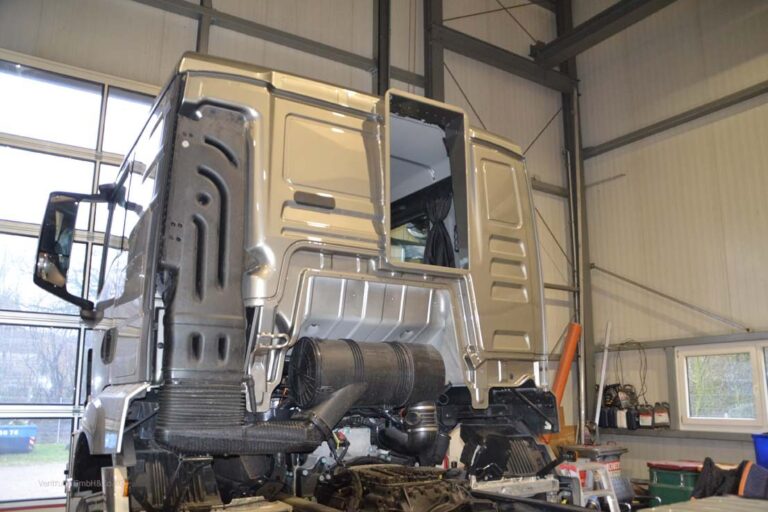
The rear wall of the cab is opened, and the walk-through is sealed and framed.
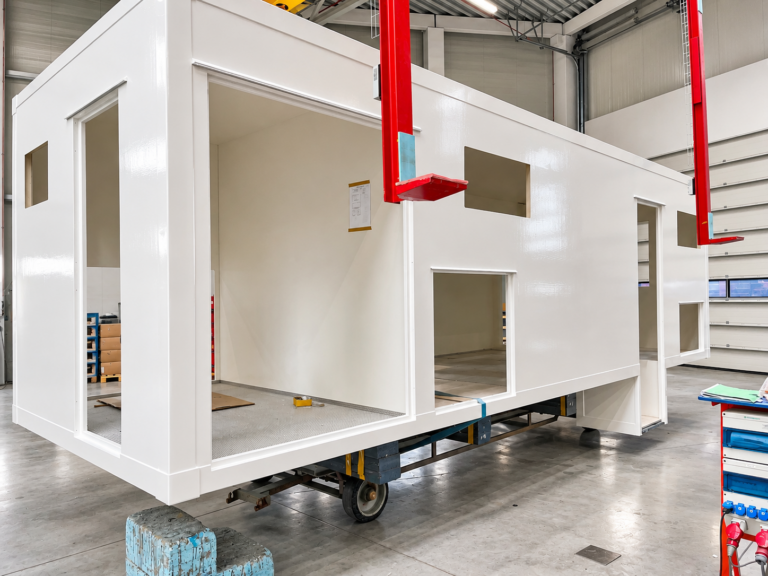
Fit the subframe, mount the GRP cabin, install windows and doors.
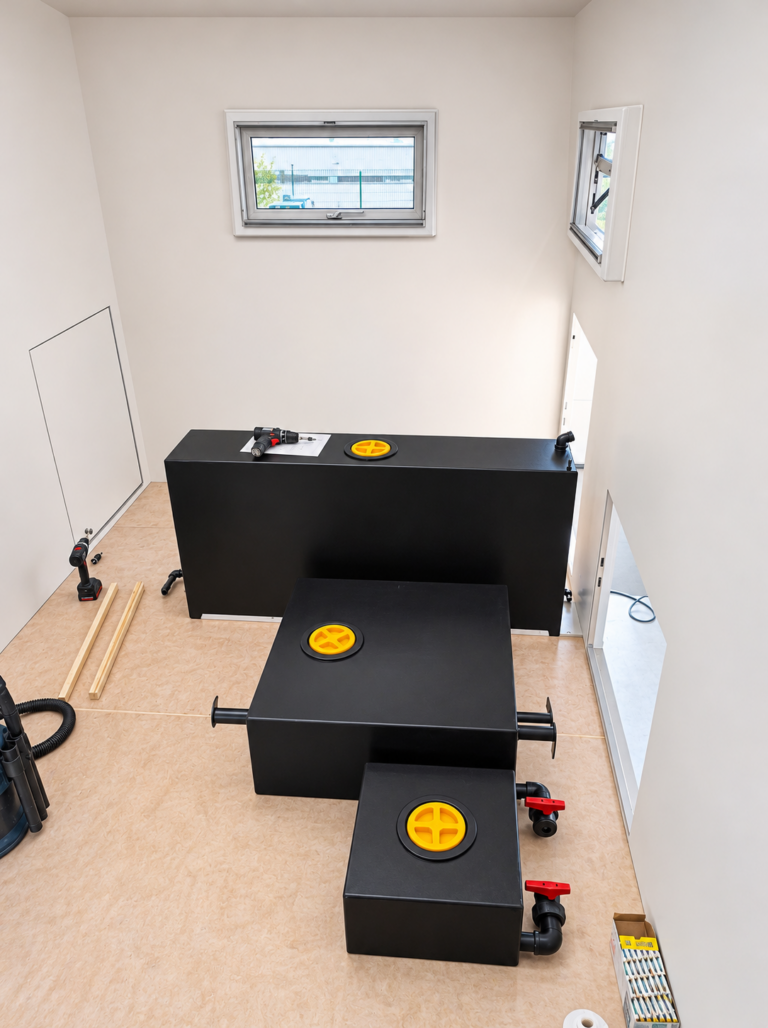
Diesel, fresh water and waste water tanks are fitted.
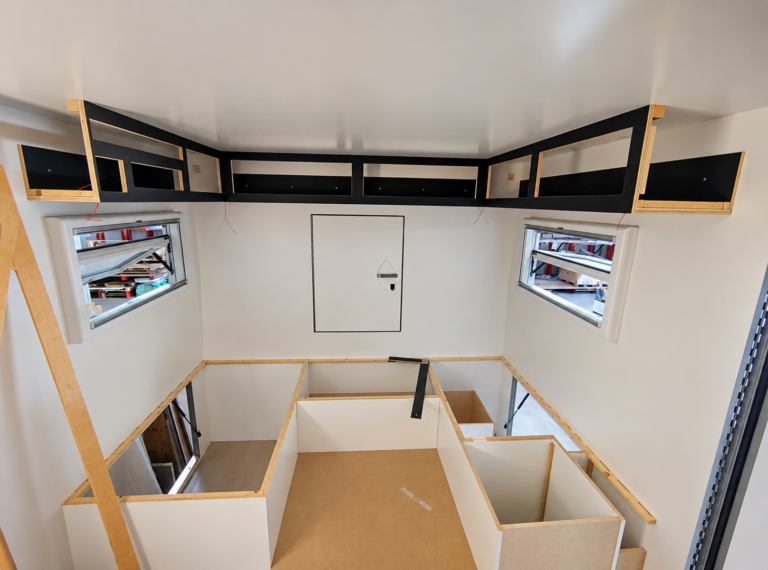
Carcasses, substructure and bed are made in the joinery and fitted.

Water, heating and power lines are laid, batteries and charging technology installed.
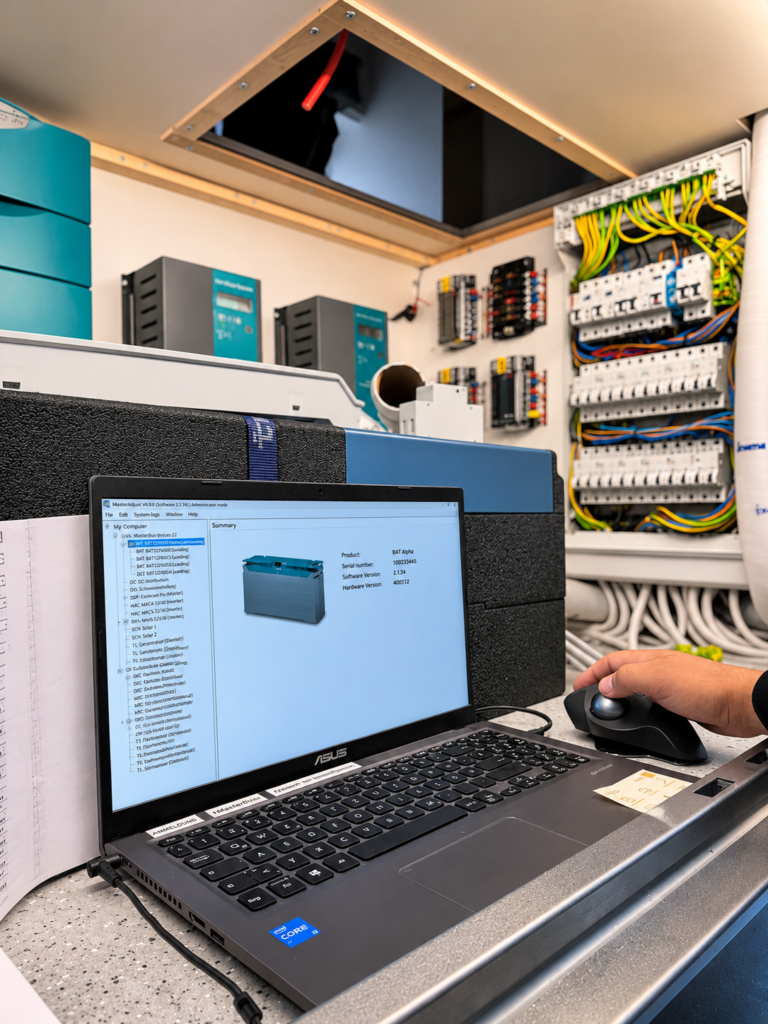
Test drives, leak test, gas inspection and TÜV approval.
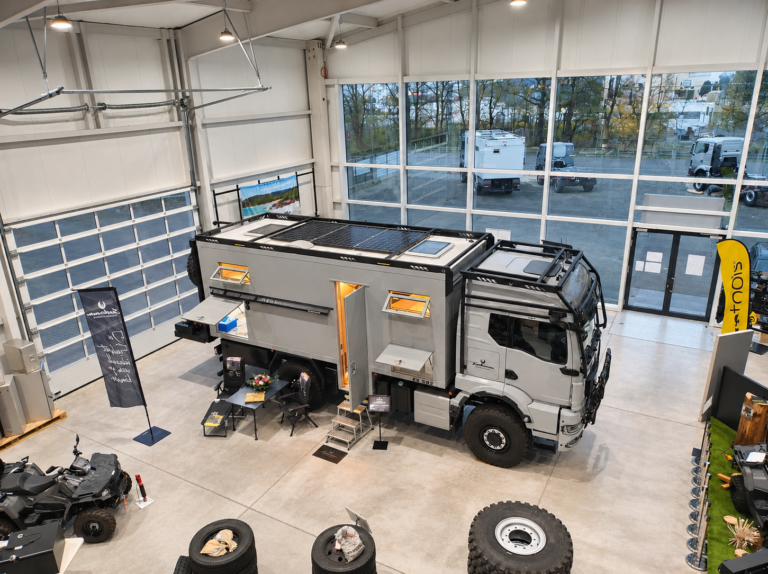
Handover in Elmshorn with a detailed introduction to all systems.
Of course, you also receive an individual operating manual.
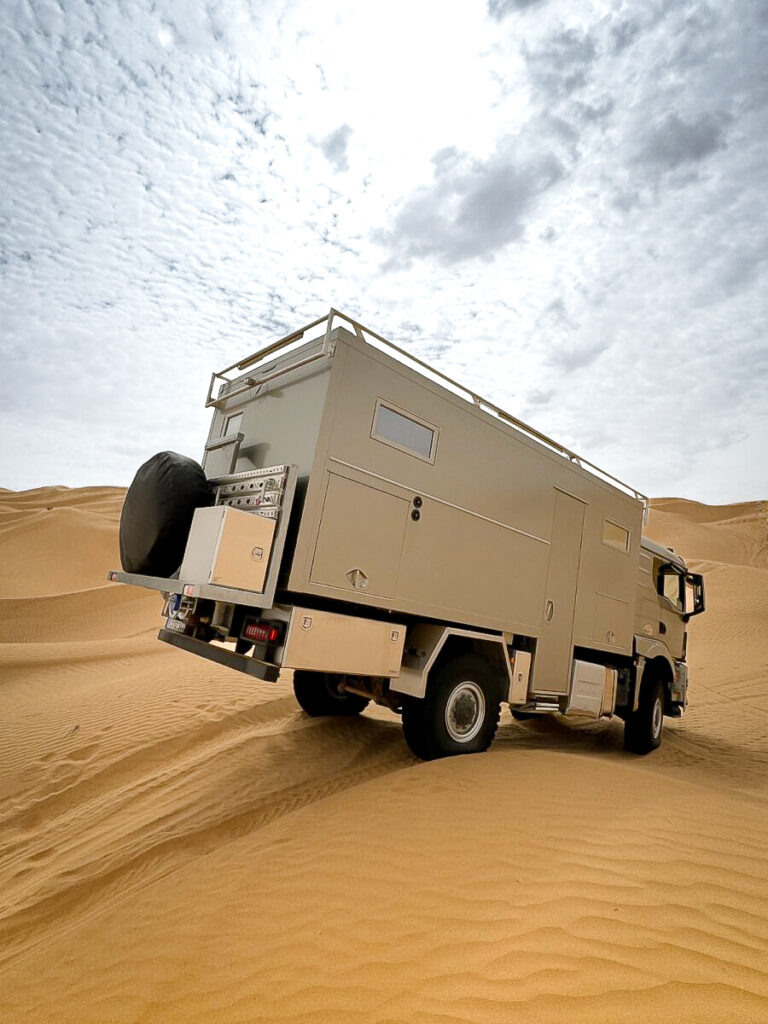
Maintenance, retrofitting and remote help, even on the other side of the world.